Contaminated Waste
Removal And Disposal
- Licensed Disposal
- Fully Tracked Loads
- Environmental Compliance
Servicing ⚪ Brisbane ⚪ Ipswich ⚪ Logan ⚪ Redlands ⚪ Gold Coast
EPA Compliant
Licensed Disposal
Tracked Waste
Experienced Operators
We Remove. We Protect.
We Keep You Compliant.
Not every job is a clean dig.
From wet asbestos to acid sulphate soils, some of the material our vacuum excavation crews pull out of the ground is classified as contaminated waste and it can’t just go in a general skip bin.
Getting it wrong isn’t just a compliance headache, it’s a genuine risk to health, waterways, and the surrounding environment.
Below is a breakdown of the contaminated waste types we regularly handle across Brisbane, Ipswich, Logan, Redlands, and the Gold Coast, why they matter, and how we make sure every load is disposed of the right way.
Safe Handling
Specialized Equipment
Licensed Facilities
Full Documentation
Contaminated Waste Types We Handle
PFAS (Per- and Polyfluoroalkyl Substances)
What it Is?
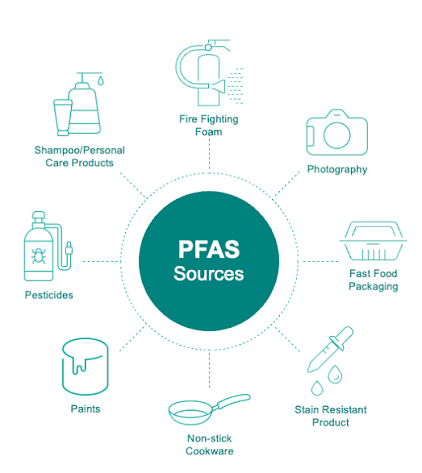
PFAS are a group of man-made “forever chemicals” once widely used in firefighting foams, industrial coatings, and some consumer products. They’re called forever chemicals because they don’t break down naturally in soil or water.
Why it needs to be handled properly
Because PFAS persist and accumulate, contaminated soil or groundwater can carry the problem for decades if it isn’t managed properly. Long-term exposure is linked to a range of health concerns, and PFAS-affected sites are subject to strict environmental reporting and disposal requirements an uncontrolled load can trigger significant compliance and clean-up costs for the client.
How Top Vac Services disposes of it
We identify and isolate PFAS-affected material during excavation, keep it separated from general spoil, and transport it under proper containment to a licensed facility approved to treat or dispose of PFAS-contaminated waste. Every load is tracked so our clients have the paperwork to prove it was handled compliantly.
Wet Asbestos
What it Is?
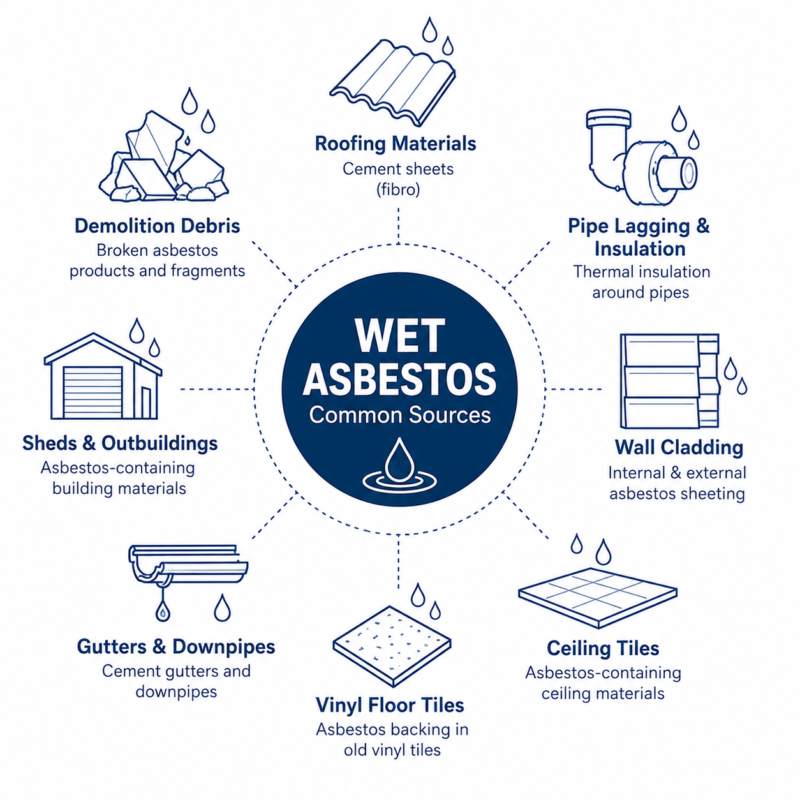
Wet asbestos is asbestos-containing material, often fragments of old fibro, pipe lagging, or building debris that has been deliberately kept moist during excavation or removal to stop fibres becoming airborne.
Why it needs to be handled properly
Dry asbestos fibres are a serious health hazard; inhaling them is linked to mesothelioma, asbestosis, and lung cancer. Keeping the material wet is a critical safety control, but only if it’s then bagged, transported, and disposed of correctly. Left to dry out in an uncontrolled skip or general load, it becomes an airborne risk to workers and anyone nearby.
How Top Vac Services disposes of it
Our operators are trained to handle asbestos-contaminated spoil under the relevant safe work procedures keeping it wet, double-bagging or wrapping material where required, and transporting it in line with asbestos waste transport requirements to a licensed asbestos disposal facility, with full documentation for the job file.
Sewer Waste
What it Is?
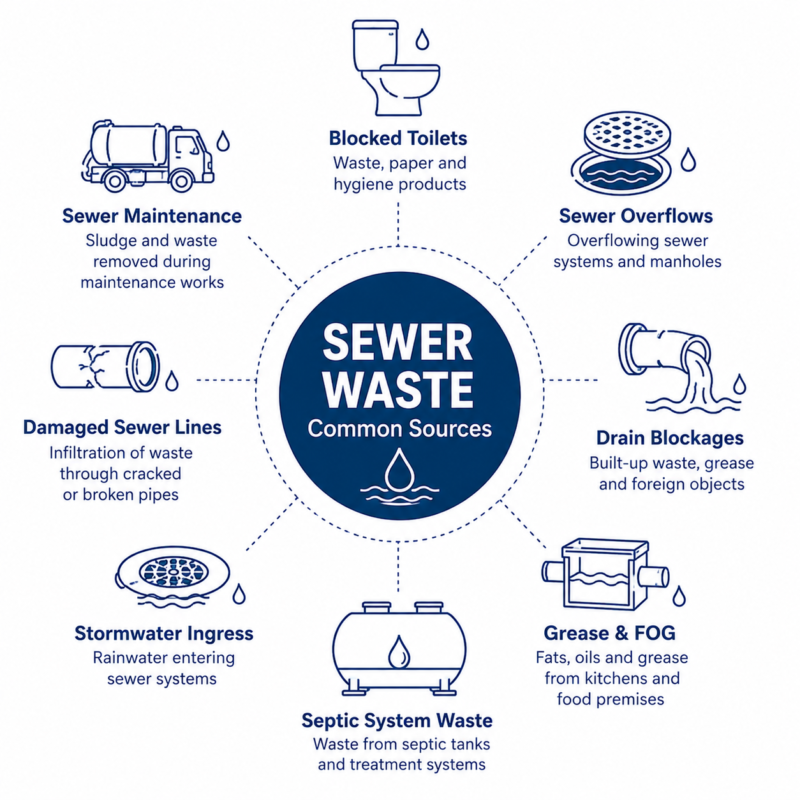
Sewer waste is the material we extract when clearing blockages, overflows, or excavating around sewer infrastructure typically a mix of wastewater, solids, and organic matter.
Why it needs to be handled properly
Sewer waste carries bacteria, pathogens, and other microorganisms that pose a real health risk to workers, residents, and the environment if it isn’t contained. Uncontrolled discharge can also contaminate soil and waterways and breach environmental regulations.
How Top Vac Services disposes of it
We vacuum sewer waste directly into sealed, purpose-built tankers with no exposure to workers or the public, then transport it to a licensed liquid waste treatment facility equipped to treat it safely.
Sewer Waste
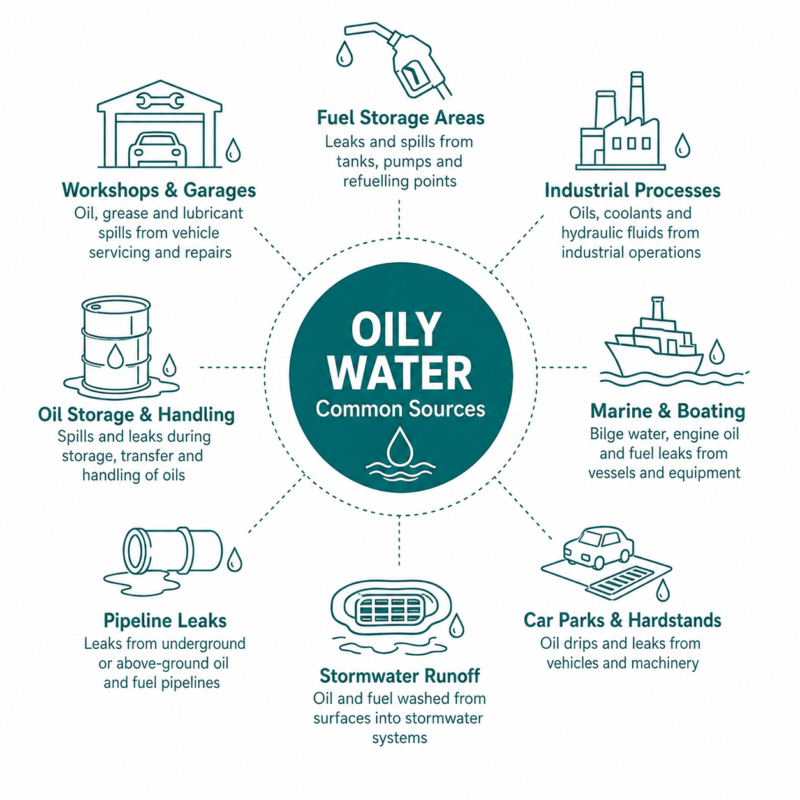
What it Is?
Oily water is water contaminated with hydrocarbons, fuel, oil, or other petroleum-based products, commonly found around workshops, spill sites, fuel storage areas, and contaminated stormwater.
Why it needs to be handled properly
Oil is toxic to aquatic life and extremely difficult to remove once it enters waterways or stormwater systems. Discharging oily water untreated is both an environmental hazard and a breach of environmental protection regulations and can result in significant fines for the responsible party.
How Top Vac Services disposes of it
We extract oily water with our vacuum equipment and deliver it to a licensed liquid waste facility where the oil and water are separated, the oil is recovered or treated, and the water is processed to a standard safe for discharge.
Acid Sulphate Soils
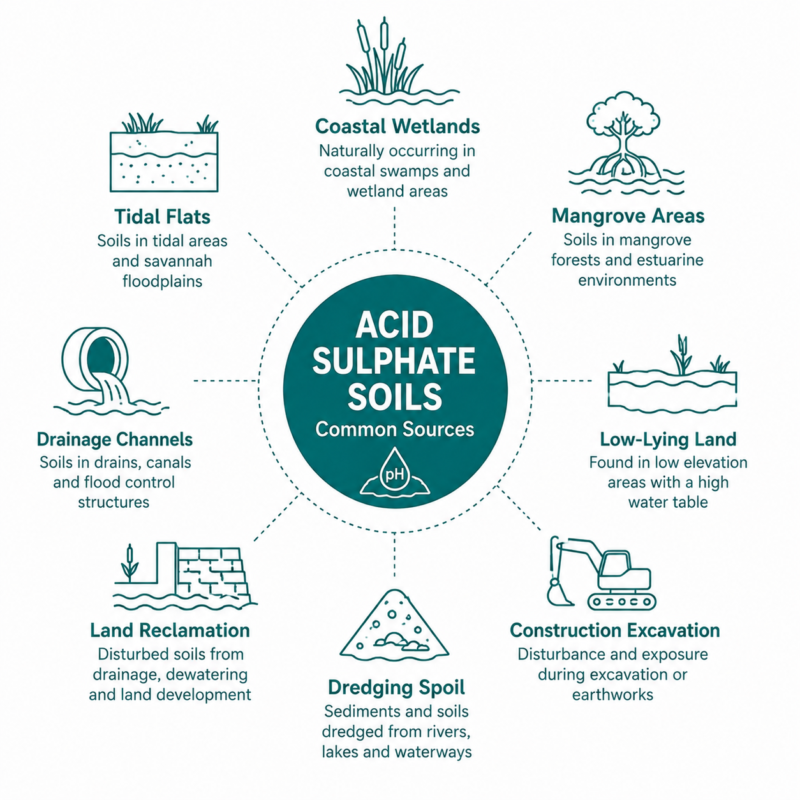
What it Is?
Acid sulphate soils are naturally occurring soils, common across South East Queensland’s low-lying and coastal areas, that contain iron sulphides. Left undisturbed underwater or below the water table they’re harmless, but once excavated and exposed to air, they can generate sulfuric acid.
Why it needs to be handled properly
Disturbed acid sulphate soils can acidify surrounding soil and waterways, cause fish kills, damage vegetation, and corrode concrete and steel infrastructure. Because the reaction happens after excavation, it’s easy to underestimate the risk if the soil isn’t identified up front.
How Top Vac Services disposes of it
Where acid sulphate soils are known or suspected, we manage excavation and handling in line with acid sulphate soil management practices, minimising exposure time, and ensuring the material is treated (such as with lime neutralisation) or transported to an appropriately licensed facility rather than left exposed on site.
Septic Waste
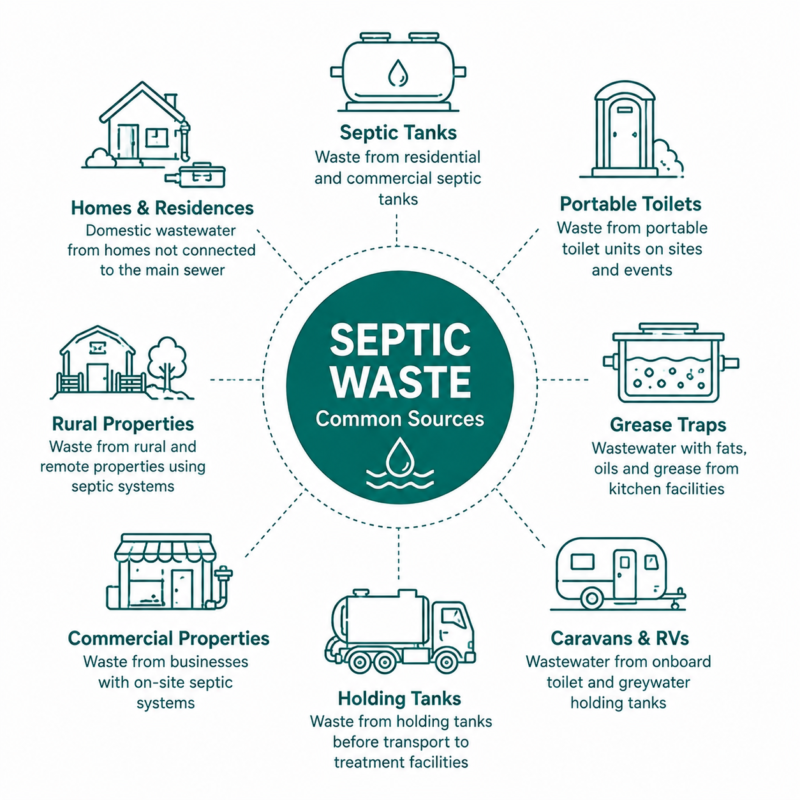
What it Is?
Septic waste comes from on-site septic systems, common on properties not connected to town sewer and includes the solids and liquid pumped out during desludging or excavation work around a septic tank.
Why it needs to be handled properly
Septic waste contains high levels of bacteria and pathogens. If it isn’t contained and disposed of properly, it can contaminate groundwater and nearby waterways, create serious odour issues, and pose a disease risk to anyone who comes into contact with it.
How Top Vac Services disposes of it
We pump septic waste directly into a sealed vacuum tanker and transport it to a licensed sewage treatment facility for safe processing, keeping the site clean and avoiding any risk of spillage or contamination in transit.
Industrial Chemical Wastes
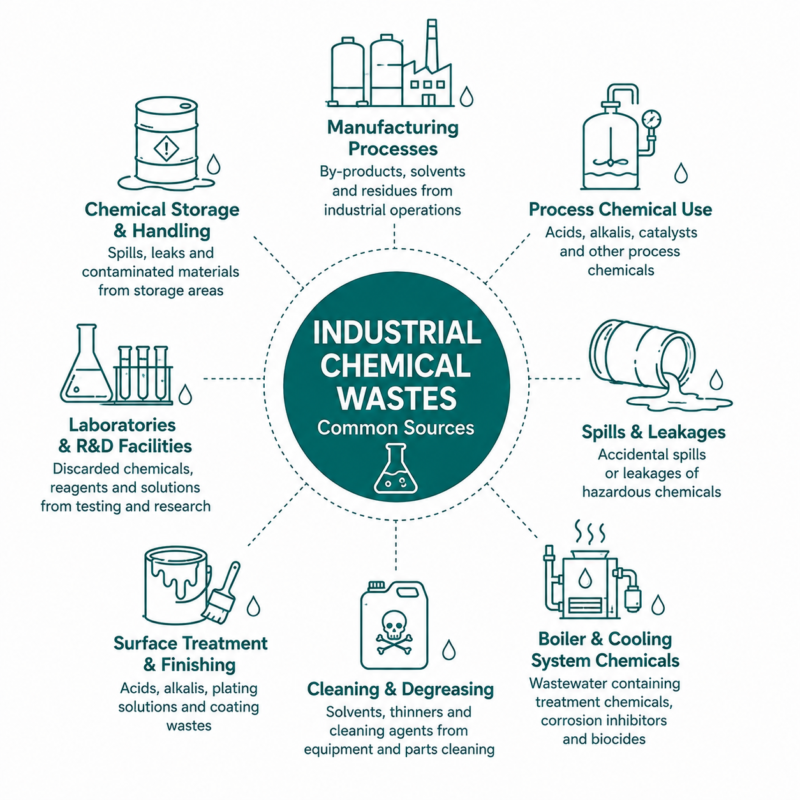
What it Is?
Industrial chemical waste covers a broad range of by-products from commercial and industrial processes, solvents, acids, alkalis, and other process chemicals that can turn up during excavation or site clean-up work.
Why it needs to be handled properly
These wastes can be toxic, corrosive, or flammable, and are genuinely hazardous to both people and the environment if mishandled. Many are classified as dangerous goods, which means incorrect handling or disposal can carry serious legal and safety consequences on top of the environmental damage.
How Top Vac Services disposes of it
Our operators identify and classify industrial chemical waste before it’s moved, handle it using the appropriate safety controls, and transport it to a licensed hazardous waste facility with the correct tracking and manifest documentation required for dangerous goods.
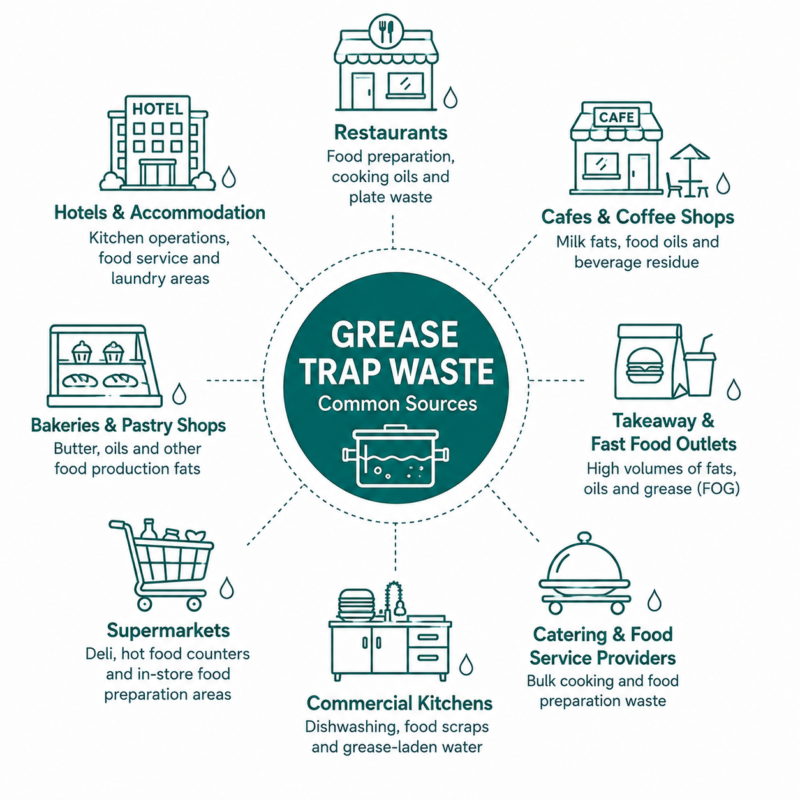
Grease Trap Wastes
What it Is?
Grease trap waste is the fats, oils, and grease (FOG) captured by grease traps in commercial kitchens, cafes, and food premises to stop it entering the sewer system.
Why it needs to be handled properly
Left unmanaged, FOG builds up in sewer lines and causes blockages and overflows. The buildup behind sewer “fatbergs” leads to costly damage, unpleasant odours, and pest problems, and can leave a food business non-compliant with local council requirements.
How Top Vac Services disposes of it
We pump out grease trap waste on a scheduled or as-needed basis and transport it to a licensed facility for treatment or recycling, helping food businesses stay compliant and avoid the mess and expense of a blocked system.
Our Contaminated Waste
Disposal Process
Identify
We Identify and classify contaminated materials on site.
Seperate
Materials are isolated and contained to prevent cross contamination
transport
Transported in compliant vehicles to licensed facilities.
Licensed disposal
Disposal or treatment at licensed facilities with full documentation.
Every Load fully Documented
- Waste Tracking
- Dispocal certificates
- Licensed Facilities
- Environmental Compliance
- Dangerous Goods Documentation
- Project Records
Why Choose Top Vac Services
Licensed Facilities
We only use EPA Licensed facilities
Vacuum Excavation Specialists
Safer Faser and more precise excavation
Fast Site Response
Minimising Downtime and Site delays
Full Documentation
All loads tracked with complee compliance paperwork
Environmental Compliance
Protecting people communities and the environment
Experienced Operators
Trained qualified and safety focused.
Who We Work With
Civil Contractors
Construction companies
Utilities & Councils
Trade Professionals
Proudly servicing south east queensland
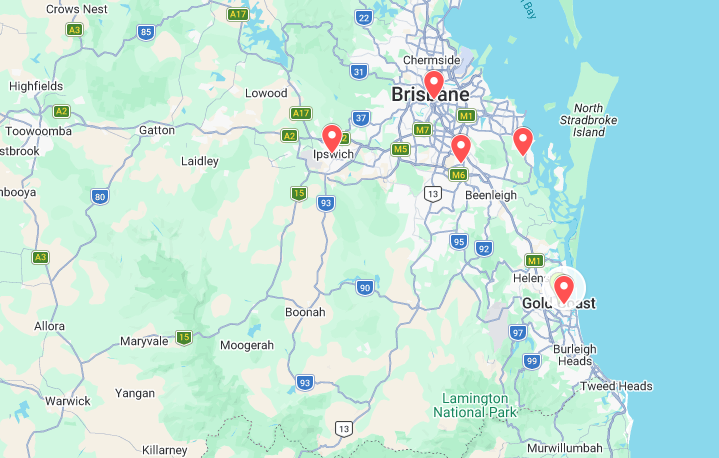
- Brisbane
- Ipswich
- Logan
- Redlands
- Gold Coast
Need Contaminated Waste Removed From Your Site
Talk Directly with Andrew about your job